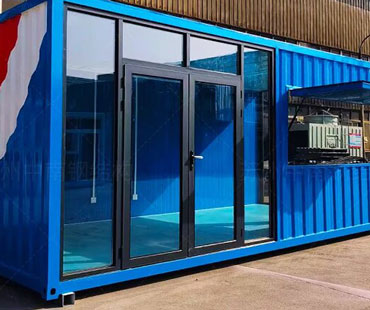
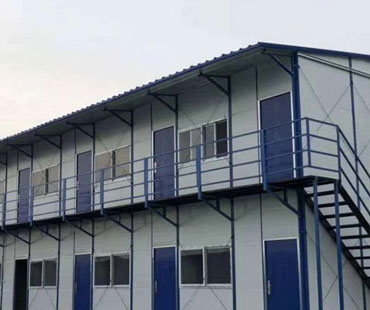
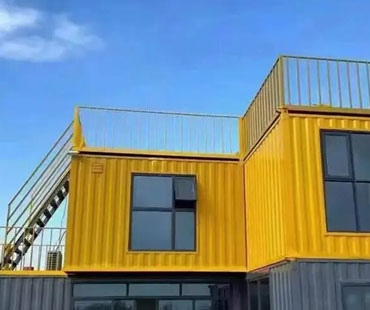
In recent years, the concept of container-modified houses and office spaces has gained significant attention worldwide. Shipping containers, originally designed for transporting goods across oceans, have evolved into versatile building blocks for innovative housing and workspace solutions. With urbanization pressures, rising real estate costs, and a growing emphasis on sustainable construction, container-modified architecture offers an efficient, flexible, and environmentally conscious alternative to traditional construction methods. This article explores the advantages, applications, and challenges of using shipping containers as the foundation for homes and office spaces.
1. The Rise of Container Architecture
Shipping containers are standardized steel boxes, typically measuring 20 or 40 feet in length, designed to withstand harsh conditions during transportation. The idea of repurposing these containers for living and working spaces emerged as architects and designers sought cost-effective, modular, and mobile solutions.
Several factors have contributed to the rise of container-modified buildings:
Affordability: Compared to conventional construction, containers provide a ready-made, durable structure that reduces both material and labor costs.
Speed of Construction: Modifying a container is significantly faster than building from scratch, allowing homes or office spaces to be assembled in weeks rather than months.
Sustainability: Recycling shipping containers reduces waste and the need for new construction materials, aligning with the principles of green building.
Flexibility: Containers can be stacked, joined, or arranged in creative configurations, enabling adaptable layouts and scalable projects.
2. Advantages of Container-Modified Houses
Container homes are particularly appealing in urban areas, disaster zones, and regions with limited construction infrastructure. The key advantages include:
1.Durability and Structural Strength
Made from Corten steel, shipping containers are inherently robust and weather-resistant. They can withstand earthquakes, high winds, and heavy loads, offering a reliable framework for residential and commercial spaces.
2.Cost Efficiency
Purchasing used shipping containers is often less expensive than acquiring traditional building materials. Combined with reduced construction time, container homes can dramatically lower overall project costs.
3.Modularity and Customization
Containers are modular by nature. Multiple units can be joined horizontally or stacked vertically, creating multi-story homes or office buildings. Interior layouts can be customized to include bedrooms, kitchens, bathrooms, and workspaces according to individual needs.
4.Portability
Container houses can be relocated with relative ease, making them suitable for temporary housing, construction site offices, or mobile workspaces.
5.Eco-Friendly Construction
Repurposing containers reduces the demand for bricks, cement, and wood. Coupled with energy-efficient modifications, such as insulation and solar panels, container homes contribute to sustainable living practices.
3. Container-Modified Office Spaces
Beyond residential use, shipping containers are increasingly popular for office environments, particularly in urban hubs, industrial zones, and startup ecosystems.
1.Pop-Up Offices
Companies can quickly deploy container offices at construction sites, temporary events, or research locations. These units provide immediate workspace with minimal setup.
2.Co-Working Spaces
Container units can be arranged into collaborative work environments, complete with meeting rooms, communal areas, and private offices. Their modularity allows for flexible scaling as teams grow or projects evolve.
3.Retail and Showrooms
In addition to office spaces, container units can serve as pop-up retail stores, exhibition booths, or service centers, offering compact, mobile, and visually striking structures.
4.Sustainability and Branding
Modern businesses increasingly emphasize environmental responsibility. Container offices can showcase a company’s commitment to sustainability, while their unique appearance serves as a branding statement.
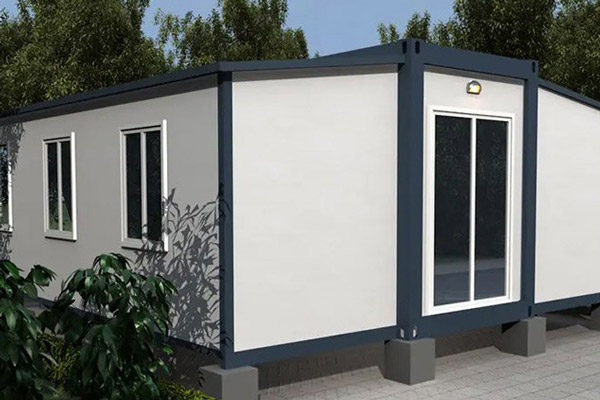
4. Design Considerations
While container-modified houses and offices offer numerous advantages, careful planning is necessary to address specific design challenges:
1.Insulation and Temperature Control
Steel containers conduct heat and cold efficiently, which can make interiors uncomfortable without proper insulation. Advanced insulation materials, double-glazed windows, and ventilation systems are essential for year-round comfort.
2.Structural Modifications
Cutting windows, doors, or joining multiple containers requires reinforcement to maintain structural integrity. Engineers and architects must ensure that modifications do not compromise safety.
3.Local Building Codes
Some regions have strict building regulations, including zoning laws and fire safety requirements. Container structures must comply with these codes, which may affect design, layout, and materials used.
4.Space Optimization
A standard container is narrow, typically 8 feet wide, which requires creative interior design solutions to maximize functional space. Multi-functional furniture, lofted areas, and efficient storage are commonly used strategies.
5. Real-World Applications and Examples
Container-modified buildings have found success in a variety of scenarios globally:
Urban Housing: Cities facing housing shortages, such as Tokyo, London, and San Francisco, have utilized container apartments to provide affordable, high-density housing.
Disaster Relief: In regions affected by earthquakes, floods, or hurricanes, container homes offer fast, durable temporary shelters.
Corporate Campuses: Construction sites or remote research stations often employ container offices for their mobility and modularity.
Eco-Resorts and Cafes: Hospitality businesses have adopted container architecture for lodges, hotels, and cafes, creating unique visitor experiences with minimal environmental impact.
6. Challenges and Limitations
Despite the benefits, container-modified structures also face challenges:
Thermal Regulation: Without proper insulation, interiors can become extremely hot in summer and cold in winter.
Limited Width: The narrow interior may restrict layout options and require innovative design solutions.
Permitting and Approval: Regulatory approval can be more complex than conventional buildings, particularly for multi-story or permanent installations.
Perception Issues: Some people perceive container homes as temporary or low-quality, which can affect market adoption.
7. Future Trends
Looking ahead, container-modified houses and office spaces are expected to evolve further:
Smart Container Buildings: Integration of IoT devices, automated climate control, and energy monitoring will enhance comfort and efficiency.
Hybrid Structures: Combining container modules with traditional building materials for aesthetics, stability, and expanded design options.
Sustainable Communities: Entire neighborhoods constructed with containers, using shared facilities and renewable energy, could become a model for affordable and eco-friendly urban development.
Mass Customization: Advanced fabrication techniques will allow personalized container layouts, matching individual tastes while maintaining scalability.
Container-modified houses and office spaces represent a versatile, cost-effective, and environmentally friendly alternative to conventional construction. They provide solutions for urban housing shortages, mobile offices, and sustainable development, while offering unique design possibilities. However, successful implementation requires careful attention to insulation, structural safety, regulatory compliance, and interior optimization.
For businesses and individuals seeking flexible, innovative, and eco-conscious building solutions, container architecture offers enormous potential. As technology advances and urban planning evolves, container-modified buildings are likely to become an increasingly mainstream component of modern living and workspaces.