Containers have become indispensable tools in modern life, serving a wide range of purposes—from logistics and storage to modular housing and even creative office spaces. Choosing the right container and using it effectively can save time, reduce costs, and ensure safety. This guide explores the key considerations for selecting and using containers, whether for industrial, commercial, or personal applications.
1. Understanding Container Types
Before selecting a container, it is essential to understand the different types and their primary functions. Containers vary widely in size, material, and design.
a. Shipping Containers
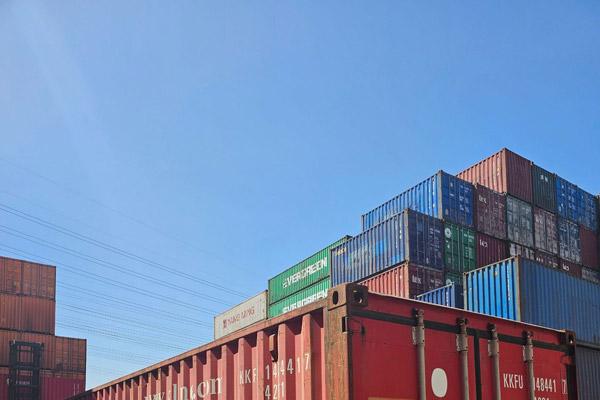
Shipping containers are designed primarily for transporting goods over long distances. They are typically made from high-strength steel, which makes them durable, weather-resistant, and secure. Common sizes include 20-foot and 40-foot containers, which can be used for freight shipping or converted into storage units or modular structures.
b. Storage Containers
Storage containers are designed for short-term or long-term storage rather than transportation. They may be made of steel, aluminum, or high-density plastic. Unlike shipping containers, these may have features like adjustable shelving, ventilation, or lockable doors optimized for easy access.
c. Specialized Containers
Some containers are designed for specific uses, such as refrigerated containers (reefers) for temperature-sensitive goods, liquid containers for chemicals, or collapsible containers for easy transport. Understanding the intended purpose ensures that you select the right type of container.
d. Modular and Building Containers
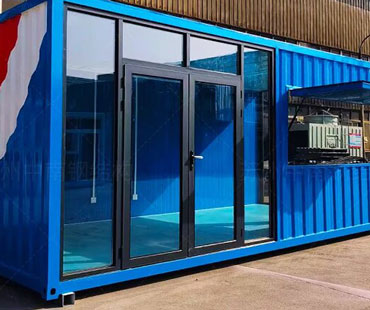
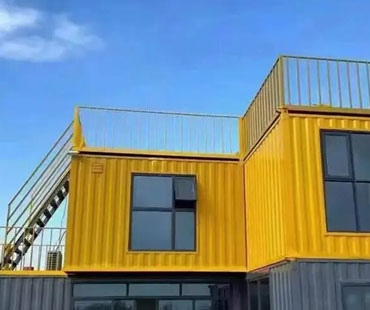
Increasingly, containers are used in architecture and construction as modular units. These containers may be retrofitted with insulation, windows, doors, and electrical systems to serve as homes, offices, or temporary workspaces. Selecting a structurally sound container is crucial for safety and long-term usability.
2. Key Factors in Selecting a Container
When selecting a container, consider the following factors to ensure that it meets your needs effectively.
a. Size and Capacity
Determine the volume of goods or the type of space needed. For storage or transport, consider both internal and external dimensions to ensure compatibility with available space and equipment. For modular construction, consider the number of containers required and how they can be arranged for structural integrity.
b. Material and Durability
Steel containers are extremely durable and secure but heavy, which may increase transportation costs. Aluminum containers are lighter and resistant to corrosion, while plastic containers are ideal for smaller, lightweight items. For construction purposes, ensure that the container can support modifications such as windows, insulation, and additional loads.
c. Environmental Conditions
Consider exposure to weather, humidity, and temperature. Shipping containers exposed to the elements must be weatherproof and corrosion-resistant. For indoor or climate-controlled applications, ventilation and insulation may be more critical than structural strength.
d. Safety and Security
For storage or transport of valuable goods, locking mechanisms, tamper-proof seals, and structural integrity are vital. Containers used for housing or offices should comply with building safety codes and local regulations.
e. Cost and Budget
Container costs vary based on type, size, condition (new or used), and any modifications. Assess both initial purchase costs and ongoing maintenance expenses when planning your container usage.
3. Best Practices for Using Containers
Once you have selected the right container, proper use is essential to maximize efficiency and lifespan.
a. Proper Loading and Unloading
Avoid overloading the container beyond its rated capacity, which can damage the structure and create safety hazards. Use appropriate handling equipment and techniques to prevent injuries and ensure the safe movement of goods.
b. Organization Inside Containers
For storage containers, organize items for easy access and stability. Use shelving, pallets, or dividers to prevent shifting during transport or over long-term storage. Proper labeling and inventory management are also recommended.
c. Maintenance and Inspections
Regularly inspect containers for rust, corrosion, or structural damage. Clean the interior to prevent contamination, particularly when storing sensitive goods or converting the container into a living space. For building containers, check insulation, plumbing, and electrical systems periodically.
d. Adaptation for Specialized Uses
When using containers for modular construction or creative spaces, ensure that modifications are planned and executed by qualified professionals. This includes installing ventilation, heating, cooling, plumbing, and electrical systems, as well as reinforcing structural elements if stacking multiple containers.
e. Compliance with Regulations
For transport, ensure that the container meets industry standards such as ISO certification. For construction or storage purposes, verify compliance with local building codes, zoning laws, and safety regulations.
4. Advantages of Effective Container Use
When selected and used correctly, containers offer numerous benefits:
Flexibility:Containers can serve multiple purposes, from transport and storage to temporary or permanent buildings.
Durability:Steel and aluminum containers withstand extreme weather, heavy loads, and repeated handling.
Cost-Effectiveness:Reusing containers for storage or construction can be more affordable than building conventional structures.
Mobility:Containers can be transported, relocated, and reconfigured according to changing needs.
Security:Properly locked and sealed containers provide strong protection for goods or sensitive materials.
5. Common Mistakes to Avoid
Selecting a container without assessing the actual needs or environmental conditions.
Overlooking ventilation, insulation, or moisture protection, leading to damage or spoilage.
Ignoring maintenance, which can shorten the container’s lifespan.
Making structural modifications without professional guidance, compromising safety.
Failing to comply with local codes and transport regulations, risking fines or operational issues.
Containers are versatile tools that can revolutionize logistics, storage, and even living spaces. Selecting the right container requires careful consideration of type, size, material, and environmental factors. Proper usage, organization, and maintenance ensure safety, durability, and long-term value. By understanding these principles, businesses and individuals in logistics, construction, or everyday storage can make informed decisions that save cost, enhance efficiency, and support sustainable practices.