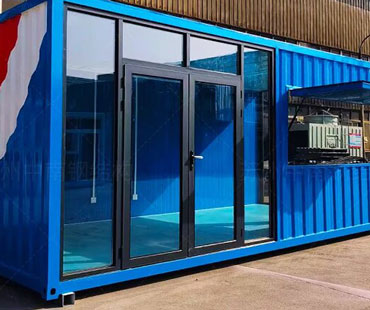
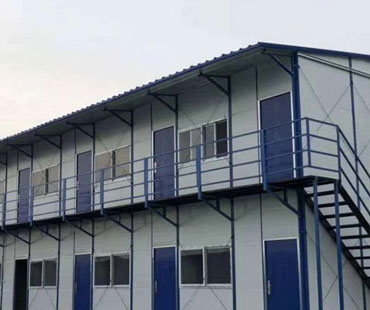
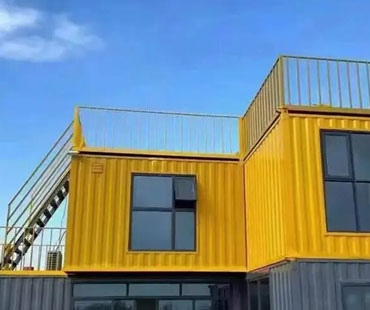
In recent years, container homes have emerged as a transformative solution to China’s housing challenges. With urbanization accelerating, land prices skyrocketing in major cities, and growing awareness of sustainable living, container homes provide a unique blend of innovation, affordability, and environmental consciousness. These modular dwellings, repurposed from shipping containers or constructed from purpose-built container modules, are rapidly gaining attention from urban planners, real estate developers, and environmentally conscious individuals. This article explores the concept, advantages, and future potential of container homes in China.
1. Understanding Container Homes
Container homes, as the name suggests, are residential units constructed from shipping containers or container-like modular units. Originally designed for transporting goods across seas, containers are highly durable, standardized, and easy to transport. When converted into homes, they retain their structural integrity while being transformed into comfortable living spaces.
In China, the concept has evolved from simple single-unit homes to sophisticated multi-container designs, incorporating modern amenities, insulation, and energy-efficient systems. Container homes can range from small studios for singles or couples to multi-story complexes suitable for families or even community housing projects.
2. Innovation in Design and Construction
One of the most appealing aspects of container homes is the scope for innovation:
Modular and Flexible Layouts:Each container serves as a building block, allowing for customizable configurations. Multiple containers can be stacked or arranged side by side to create larger living spaces. Some projects in Chinese cities have experimented with interlocking container towers, rooftop gardens, and integrated green spaces.
Rapid Construction:Traditional construction in China can take months or even years, especially in urban areas with complex zoning and permitting requirements. Container homes drastically reduce construction time since units are pre-fabricated and can be assembled on-site in a matter of weeks.
Adaptive Reuse:By repurposing decommissioned shipping containers, China can reduce construction waste while giving a second life to industrial materials. This innovative approach aligns with circular economy principles and demonstrates how creativity can meet housing demands efficiently.
3. Sustainability: Green Living at the Core
Environmental concerns are at the forefront of container home development in China. The housing sector is a significant contributor to carbon emissions, both in construction and daily operations. Container homes address sustainability in several ways:
Material Efficiency:Using pre-existing containers minimizes the need for raw construction materials like concrete and steel, which have high embodied carbon.
Energy Efficiency:Modern container homes incorporate insulation, double-glazed windows, and solar panels to reduce energy consumption. Innovative designs also optimize natural ventilation and lighting, reducing reliance on artificial heating, cooling, and electricity.
Compact Footprint:Container homes can be built on small plots of land or underutilized urban spaces, minimizing land use and preserving green areas.
Waste Reduction:Off-site prefabrication reduces on-site construction waste and noise pollution, a common issue in densely populated Chinese cities.
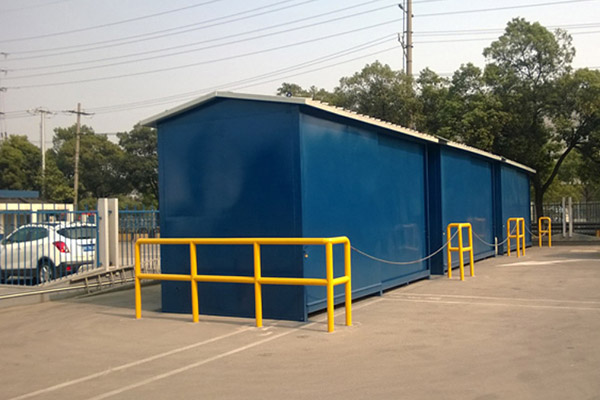
4. Affordability: Making Housing Accessible
Affordability is a central reason container homes are gaining traction in China:
Lower Construction Costs:Container homes are often less expensive than traditional brick-and-mortar homes. Costs can be further reduced when using recycled containers or standardized modular units.
Reduced Labor Expenses:Prefabrication simplifies assembly, reducing labor requirements and associated costs.
Flexibility in Urban Housing:Container homes can serve as short-term rentals, student housing, or temporary work accommodations, offering affordable options for individuals who might otherwise struggle with high urban rents.
Government Incentives:In some pilot projects across Chinese cities, local governments have supported container housing as part of urban renewal or affordable housing initiatives, further reducing financial barriers for developers and residents.
5. Practical Applications Across China
Container homes are no longer limited to niche markets—they are being applied across various sectors:
Urban Housing Solutions:In megacities like Shanghai, Beijing, and Shenzhen, container homes are used as micro-apartments, student dormitories, and temporary residential units.
Tourism and Hospitality:Boutique hotels, eco-resorts, and pop-up accommodations often use container units to create unique, sustainable lodging experiences.
Disaster Relief Housing:Container homes can be rapidly deployed in flood-affected or earthquake-prone regions, providing durable and safe temporary housing.
Commercial Spaces:Beyond residential use, container units are increasingly used for cafés, offices, and retail stores, blending functionality with modern design aesthetics.
6. Challenges and Considerations
Despite their benefits, container homes in China face several challenges:
Building Regulations:Local zoning and building codes may limit the use of container homes in certain urban areas. Developers need to navigate approval processes carefully.
Thermal Insulation:Standard shipping containers are made of steel, which can get extremely hot in summer and cold in winter. Proper insulation and ventilation are essential for comfort.
Long-Term Durability:Corrosion, water leakage, and structural stress can affect containers over time. Regular maintenance is necessary to ensure longevity.
Social Acceptance:In some regions, container homes may face skepticism as unconventional housing, and cultural perceptions of “non-traditional” homes may affect adoption rates.
7. The Future of Container Homes in China
Looking ahead, container homes in China are likely to continue growing in popularity due to a combination of urbanization pressures, sustainability demands, and affordability needs:
Integration with Smart Technologies:IoT devices, smart energy management, and modular interior automation will make container homes even more attractive to tech-savvy residents.
Eco-Friendly Communities:Developers are exploring container-based micro-communities with shared green spaces, renewable energy systems, and community gardens.
Policy Support and Urban Pilot Projects:As governments encourage sustainable housing solutions, container home projects may benefit from subsidies, pilot programs, and regulatory flexibility.
Export Potential:Chinese companies specializing in container home construction may also expand internationally, leveraging expertise in modular design and rapid assembly.
Container homes in China represent a convergence of innovation, sustainability, and affordability. By repurposing shipping containers or building modular units, these homes offer fast construction, reduced environmental impact, and cost-effective solutions to urban and rural housing challenges. While challenges such as insulation, regulations, and social acceptance exist, the benefits—particularly in terms of flexibility, sustainability, and affordability—position container homes as a viable and forward-thinking alternative to traditional construction.
As China continues to urbanize and prioritize green, efficient, and affordable housing, container homes are set to play a significant role in the country’s housing landscape. For developers, urban planners, and environmentally conscious individuals, investing in container home projects represents not only a practical solution but also a commitment to innovative, sustainable living.