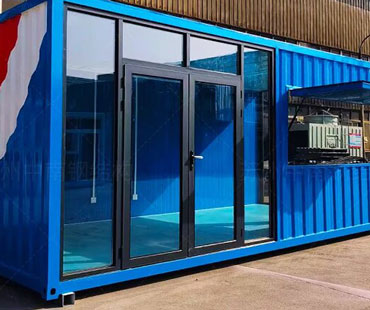
In recent years, shipping container homes have evolved from niche architectural experiments into a global housing trend. What was once a simple steel box used for transporting goods across oceans is now being transformed into stylish, functional, and sustainable living spaces. As housing costs rise and environmental concerns grow, more people are turning to container homes as an affordable and innovative alternative.
1. Why Choose a Shipping Container Home?
Shipping container homes offer a unique blend of affordability, durability, and sustainability. Containers are designed to withstand harsh marine environments, making them incredibly strong and long-lasting. This structural integrity allows them to serve as a solid foundation for residential construction.
Another major advantage is cost efficiency. Compared to traditional homes, container homes can be significantly cheaper, especially if you’re using recycled units. Additionally, they support eco-friendly living by repurposing materials that would otherwise go unused.
Flexibility is also a key benefit. Containers can be stacked, combined, or modified to create a wide range of layouts—from compact studios to multi-level family homes.
2. Planning and Permits
Before purchasing your first container, careful planning is essential. Start by researching local building codes and zoning regulations. Not all areas permit container homes, and some may require specific modifications to meet residential standards.
You’ll likely need permits for construction, electrical systems, plumbing, and occupancy. Working with an architect or contractor experienced in container construction can help streamline this process and ensure compliance with regulations.
Site selection is equally important. Consider factors such as access to utilities, soil condition, drainage, and climate. A well-chosen site can reduce construction costs and improve long-term comfort.
3. Choosing the Right Containers
Shipping containers typically come in two standard sizes: 20-foot and 40-foot units. High-cube containers (which are slightly taller) are often preferred for residential use because they provide more headroom.
When selecting containers, inspect them carefully for structural damage, rust, or chemical contamination. “One-trip” containers (used only once) are usually in the best condition, though they cost more than older units.
You’ll also need to decide how many containers to use. A single container may work for a minimalist home, while larger projects may require multiple units combined into a cohesive structure.
4. Design and Layout
Design is where creativity meets functionality. Start by defining your needs: How many rooms do you require? Do you want an open-plan layout or separate spaces?
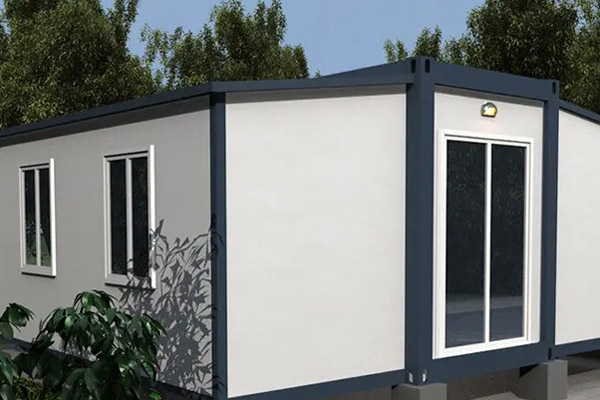
Because containers are narrow, maximizing space is crucial. Open floor plans, large windows, and multi-functional furniture can make the interior feel more spacious. Combining multiple containers side-by-side can also create wider living areas.
Natural light plays a big role in comfort. Strategic placement of windows, skylights, and glass doors can transform a steel box into a bright, inviting home.
5. Structural Modifications
Turning a shipping container into a livable space requires several structural changes. Openings must be cut for doors and windows, and walls may need reinforcement to maintain structural integrity.
Insulation is one of the most critical steps. Steel conducts heat and cold, so without proper insulation, the interior can become uncomfortable. Popular insulation options include spray foam, rigid foam panels, and insulated drywall systems.
Ventilation is equally important to prevent condensation and maintain air quality. Installing proper HVAC systems ensures a comfortable indoor environment year-round.
6. Utilities and Interior Finishing
Like any home, a container house needs electricity, plumbing, and heating/cooling systems. These can be installed similarly to traditional homes, though space constraints require careful planning.
Interior finishes play a major role in transforming the industrial look into a cozy living space. Drywall, wood paneling, or modern composite materials can be used to cover walls and ceilings. Flooring options range from hardwood to polished concrete.
Kitchens and bathrooms can be fully customized, just like in conventional homes. With thoughtful design, container homes can offer the same level of comfort and functionality.
Shipping container homes represent a creative and practical approach to modern living. By combining affordability, sustainability, and design flexibility, they offer a compelling alternative to traditional housing.
However, success depends on careful planning, proper construction, and a clear understanding of local regulations. With the right approach, you can transform a simple cargo container into a comfortable, stylish home that meets your needs and reflects your vision.